
The Importance of Energy Savings in Compressed Air Systems
Improving energy efficiency in compressed air systems is not only beneficial for reducing operating expenses, but it also contributes to sustainability goals, environmental responsibility, and improved equipment reliability.
Introduction:
Compressed air is often referred to as the fourth utility in modern industry, alongside electricity, water, and gas. It powers machinery, controls automation systems, supports manufacturing processes, and ensures operational efficiency across countless industries. However, compressed air systems are also among the most energy-intensive utilities in industrial facilities.
For many factories and processing plants, compressed air can account for a significant percentage of total electricity consumption. Inefficient systems, air leaks, pressure losses, poor condensate management, and outdated equipment can lead to excessive operational costs and unnecessary energy waste.
Improving energy efficiency in compressed air systems is not only beneficial for reducing operating expenses, but it also contributes to sustainability goals, environmental responsibility, and improved equipment reliability.
Why Energy Saving Matters in Compressed Air Systems
1. High Energy Consumption
Generating compressed air requires substantial electrical power. In many industrial plants, compressors operate continuously throughout the day, consuming large amounts of electricity. Studies show that energy costs can represent up to 70% of the total lifecycle cost of a compressed air system.
By implementing energy-saving measures, industries can significantly reduce power consumption and lower operational expenses.
2. Reduction in Operational Costs
Energy-efficient compressed air systems help businesses reduce monthly utility bills. Even small improvements in efficiency can lead to major cost savings over time.
Common sources of energy loss include:
Air leaks in pipelines and fittings
Excessive system pressure
Improper condensate drainage
Pressure drops across filters and dryers
Inefficient compressor controls
Poor maintenance practices
Addressing these issues can improve system performance and reduce unnecessary energy waste.
3. Environmental Sustainability
Reducing energy consumption directly lowers carbon emissions associated with electricity generation. As industries worldwide move toward sustainable operations and environmental compliance, energy-efficient compressed air systems play an important role in reducing the overall environmental footprint.
Companies that adopt energy-saving technologies can also strengthen their corporate sustainability initiatives and improve their environmental reputation.
4. Improved Equipment Reliability
Efficient systems operate with less stress on compressors, dryers, filters, and related equipment. Lower operating temperatures, optimized pressure levels, and proper condensate management help extend equipment life and reduce maintenance requirements.
This leads to:
Reduced downtime
Lower maintenance costs
Improved productivity
Longer equipment lifespan
5. Better System Performance
Energy optimization often improves overall system efficiency and air quality. Proper pressure management and moisture removal help maintain stable operations and prevent damage to pneumatic equipment.
Efficient compressed air systems deliver:
Stable air pressure
Cleaner compressed air
Reduced moisture contamination
Improved production quality
Enhanced process reliability
Key Areas for Energy Saving in Compressed Air Systems
Leak Detection and Repair:
Air leaks are one of the largest sources of energy loss in compressed air systems. Even small leaks can waste significant amounts of compressed air over time.
Regular leak audits and maintenance programs help identify and eliminate unnecessary air losses.
Pressure Optimization:
Operating at higher pressure than required increases energy consumption. Reducing system pressure to the optimal level can generate substantial energy savings.
Efficient Condensate Management:
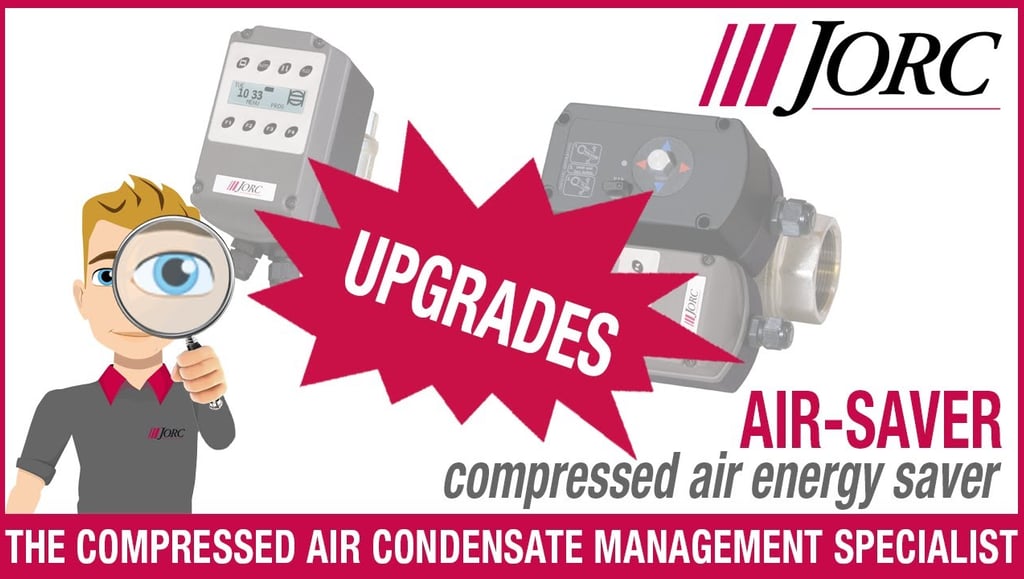
Improper condensate drainage can lead to compressed air losses and reduced system efficiency. Modern zero-loss drain technologies help remove condensate without wasting valuable compressed air.
Proper Filtration and Drying:
Blocked filters and inefficient dryers create pressure drops that force compressors to work harder. Proper maintenance and high-efficiency filtration systems reduce energy consumption.
Smart Compressor Controls
Using intelligent compressor control systems helps optimize compressor operation according to actual air demand, minimizing unloaded running time and energy waste.
Financial Benefits of Energy Efficiency
Investing in energy-saving solutions often delivers rapid return on investment. Reduced electricity costs, lower maintenance expenses, and improved productivity contribute to long-term financial savings.
Many industries find that energy-efficient upgrades pay for themselves within a short period while continuing to generate savings for years.
Future of Energy-Efficient Compressed Air Systems
As industrial energy costs continue to rise, companies are increasingly focusing on energy-efficient technologies and smart monitoring systems.
Modern compressed air systems are evolving with:
Smart automation
IoT monitoring
Energy management systems
Variable speed compressors
Zero-loss condensate drains
High-efficiency filtration solutions
These technologies help industries achieve better operational efficiency while supporting sustainability objectives.
Conclusion
Energy saving in compressed air systems is no longer optional—it is a strategic necessity for modern industries. Efficient compressed air management reduces operational costs, improves equipment reliability, minimizes environmental impact, and enhances overall productivity.
By investing in energy-efficient technologies, conducting regular maintenance, and optimizing system performance, industries can achieve significant long-term benefits.